Conference Dates
October 22-24, 2026

The World Congress on Pediatrics, Child Health, and Neonatal Care (Neo Care 2026) will take place from October 22–24, 2026, as a fully virtual event, accessible from anywhere in the world. Organized by the Iris Scientific Group, Neo Care 2026 aims to unite pediatricians, neonatologists, child health specialists, nurses, researchers, and healthcare professionals to share knowledge, exchange ideas, and discuss the latest advancements in child and neonatal care.
The conference will feature keynote presentations, scientific sessions, workshops, poster displays, and networking opportunities, providing a global platform to explore innovative research and clinical practices. Topics will cover a wide range of areas, including pediatric infectious diseases, neonatal intensive care, childhood nutrition, mental health, developmental disorders, and advanced therapies.
Neo Care 2026 is designed to encourage collaboration and multidisciplinary learning, offering a perfect environment for experts and emerging professionals to interact and build partnerships that can advance global child health outcomes. With an emphasis on evidence-based medicine and cutting-edge research, the event aims to inspire new strategies for improving the quality of healthcare for children and newborns.
Join us online to be a part of this inspiring international gathering that focuses on the future of pediatrics, neonatal care, and child health innovation. Together, let’s create a healthier and brighter future for every child around the globe.
General pediatrics plays a vital role in promoting the overall health and well-being of children from infancy through adolescence. Pediatricians serve as the first point of contact for preventive care, routine checkups, immunizations, and the early detection of physical, developmental, and behavioral issues. In recent years, pediatric care has expanded beyond traditional clinical visits to embrace a more holistic, family-centered approach. The integration of evidence-based practices, personalized care plans, and developmental screening tools ensures that children receive timely and comprehensive medical attention. Moreover, pediatricians are increasingly addressing broader determinants of health—such as nutrition, mental wellness, and social environment—to provide children with a strong foundation for lifelong health.
Innovations in primary pediatric care are reshaping how healthcare is delivered and accessed. The adoption of telemedicine and mobile health applications has made pediatric consultations more convenient and accessible, particularly in remote or underserved areas. Digital monitoring tools and electronic health records enable continuous tracking of a child’s growth, vaccination status, and chronic conditions, improving coordination among healthcare providers. Furthermore, advancements in genetic testing and precision medicine are allowing pediatricians to identify risk factors early and tailor preventive strategies accordingly. Collaborative models that integrate pediatricians, nurses, nutritionists, and mental health professionals are also gaining momentum, ensuring a multidimensional approach to child health. As technology and research continue to evolve, these innovations are transforming general pediatrics into a more proactive, connected, and patient-centered field, ultimately ensuring healthier futures for children worldwide.
Neonatology and perinatal medicine have witnessed remarkable advancements in recent decades, significantly improving survival rates and long-term outcomes for newborns, particularly those born prematurely or with complex medical conditions. The integration of cutting-edge technologies such as high-resolution prenatal imaging, fetal monitoring, and genetic diagnostics has enhanced early detection and management of congenital and developmental disorders. Improved neonatal intensive care units (NICUs), equipped with sophisticated ventilators, incubators, and monitoring systems, now provide a safer and more controlled environment for fragile infants. Moreover, the emphasis on antenatal corticosteroid therapy, surfactant replacement, and non-invasive respiratory support has drastically reduced neonatal morbidity and mortality rates worldwide.
Recent innovations in perinatal medicine have also emphasized the importance of individualized and family-centered care. Precision medicine approaches, based on genomic insights, are helping clinicians tailor treatments to each newborn’s unique physiological profile. Advances in maternal-fetal medicine enable closer collaboration between obstetricians and neonatologists, ensuring seamless care transitions from pregnancy to postnatal life. Additionally, the use of artificial intelligence and data analytics in neonatal care has enhanced early prediction of complications such as sepsis or respiratory distress, allowing for prompt intervention. Non-pharmacological approaches like kangaroo mother care, improved nutrition strategies, and human milk fortification have further contributed to better neurodevelopmental outcomes. As research and innovation continue to evolve, neonatology and perinatal medicine are moving toward a future where every newborn—regardless of gestational age or condition—receives the highest standard of personalized, evidence-based care.
Social pediatrics focuses on the interplay between a child’s health and the social, economic, and environmental factors that shape their development and well-being. It recognizes that children’s physical and mental health are deeply influenced by their families, schools, and communities. Pediatricians in this field go beyond traditional clinical care to address social determinants such as poverty, nutrition, education, housing, and exposure to violence or neglect. By integrating public health principles with pediatric practice, social pediatrics emphasizes prevention, equity, and advocacy. It promotes early intervention programs, school health services, and family support initiatives that ensure all children, regardless of background, have access to quality healthcare and opportunities for healthy growth.
Community child health complements social pediatrics by engaging local resources, organizations, and policies to build healthier environments for children. This approach involves collaboration between healthcare providers, educators, social workers, and community leaders to identify and address health disparities at the population level. Programs promoting immunization, mental health awareness, physical activity, and child nutrition are vital components of community-based care. The use of mobile clinics, telehealth, and outreach initiatives helps reach underserved populations, ensuring inclusivity in child health services. Ultimately, social pediatrics and community child health work hand in hand to create a supportive ecosystem where every child can thrive. By fostering partnerships between families, healthcare systems, and communities, these disciplines are paving the way for a more just and health-oriented society for future generations.
Pediatric pharmacology is a rapidly advancing field dedicated to understanding how drugs interact with the unique physiology of infants, children, and adolescents. Unlike adults, children have distinct metabolic rates, organ maturity levels, and developmental stages that influence how medications are absorbed, distributed, metabolized, and excreted. As such, simply adjusting adult doses for pediatric patients can lead to inefficacy or toxicity. Modern pediatric pharmacology focuses on evidence-based dosing strategies, age-specific formulations, and safety assessments tailored to different pediatric age groups. Clinical trials designed specifically for children are now prioritized to ensure accurate data on drug efficacy and safety, ultimately improving therapeutic outcomes and minimizing adverse effects.
Novel drug development for pediatric populations has gained significant momentum with the integration of advanced technologies and regulatory support. Innovations such as nanomedicine, targeted drug delivery systems, and pharmacogenomics are enabling more precise and effective treatments for pediatric diseases. The introduction of pediatric investigation plans (PIPs) by regulatory agencies encourages pharmaceutical companies to include children in early drug development stages, ensuring timely access to suitable therapies. Furthermore, the development of child-friendly formulations—such as flavored suspensions, dissolvable tablets, and transdermal patches—has improved medication adherence among young patients. Collaboration between clinicians, researchers, and industry partners continues to drive progress toward safer, more personalized pediatric therapeutics. As the understanding of pediatric pharmacology deepens, the future of child-specific drug development promises not only better disease management but also a stronger foundation for lifelong health.
Infectious diseases remain a major challenge in pediatric health, particularly in developing regions where children are most vulnerable to bacterial, viral, and parasitic infections. Pediatric infectious disease specialists focus on preventing, diagnosing, and managing illnesses such as respiratory infections, diarrheal diseases, meningitis, and emerging viral threats. With global travel and climate change contributing to the spread of pathogens, the importance of vigilant surveillance and rapid response systems has never been greater. Advances in diagnostic technologies—such as molecular testing, next-generation sequencing, and point-of-care tools—have revolutionized early detection and treatment strategies. Equally vital is the role of antimicrobial stewardship in reducing antibiotic resistance, ensuring that children receive effective treatments without contributing to the global resistance crisis.
Vaccines have been one of the most transformative achievements in pediatric medicine, drastically reducing childhood morbidity and mortality. Continuous innovation in vaccine development—such as mRNA-based vaccines, combination immunizations, and thermostable formulations—has expanded protection against a wider range of infectious agents. Pediatric immunology further enhances our understanding of how the developing immune system responds to pathogens and vaccines. Research into immune modulation, neonatal immunity, and autoimmune disorders is paving the way for precision immunotherapies tailored to children’s unique needs. Moreover, public health initiatives promoting vaccine education and equitable distribution are essential to achieving herd immunity and preventing outbreaks. Together, infectious disease management, vaccination programs, and pediatric immunology form the cornerstone of global child health, ensuring a safer and healthier future for the world’s youngest populations.
Pediatric cardiology focuses on diagnosing, managing, and preventing heart diseases in infants, children, and adolescents. Advances in this field have revolutionized the care of congenital and acquired heart disorders through innovations in imaging, interventional cardiology, and surgical techniques. Non-invasive tools such as echocardiography, cardiac MRI, and fetal cardiac screening now allow for early detection of structural and functional abnormalities—even before birth. Minimally invasive procedures, such as catheter-based interventions, have replaced many open-heart surgeries, reducing recovery times and complications. Furthermore, ongoing research into genetic and molecular mechanisms of congenital heart disease has improved personalized treatment approaches, enhancing survival rates and quality of life for children with complex cardiac conditions.
Pediatric pulmonology, on the other hand, deals with respiratory disorders affecting children, including asthma, cystic fibrosis, bronchopulmonary dysplasia, and sleep-related breathing disorders. The field has seen major strides with the introduction of advanced pulmonary function testing, high-flow oxygen therapy, and targeted biological treatments that address the underlying causes of inflammation and airway obstruction. Innovations in neonatal and pediatric ventilation techniques have also improved outcomes for critically ill infants with respiratory distress. Multidisciplinary care involving pulmonologists, allergists, physiotherapists, and nutritionists ensures comprehensive management of chronic respiratory conditions. Together, pediatric cardiology and pulmonology play a vital role in safeguarding children’s cardiovascular and respiratory health, combining technological innovation with compassionate, family-centered care to promote better long-term outcomes and healthier futures.
Child neurology is a specialized field dedicated to understanding, diagnosing, and treating neurological conditions that affect infants, children, and adolescents. The developing brain is highly dynamic, making pediatric neurology uniquely complex and vital. Conditions such as epilepsy, cerebral palsy, neuromuscular disorders, and neurogenetic syndromes require careful evaluation and individualized treatment. Advances in neuroimaging, molecular genetics, and neurophysiology have transformed early diagnosis and management, allowing clinicians to identify neurological abnormalities even before symptoms fully develop. Cutting-edge treatments, including neurorehabilitation, targeted pharmacotherapy, and surgical interventions, have significantly improved functional outcomes and quality of life for affected children. The integration of multidisciplinary care—bringing together neurologists, therapists, psychologists, and educators—ensures holistic management that supports both medical and developmental needs.
Developmental disorders, including autism spectrum disorder (ASD), attention-deficit/hyperactivity disorder (ADHD), and intellectual disabilities, often coexist with neurological conditions, emphasizing the need for early detection and intervention. Advances in behavioral neuroscience and developmental psychology have deepened understanding of how brain development impacts learning, behavior, and social functioning. Modern approaches, such as applied behavior analysis, speech and occupational therapies, and neurodevelopmental monitoring, are helping children reach their full potential. Moreover, research into genetic, environmental, and epigenetic factors continues to uncover the complex roots of developmental disorders, paving the way for precision-based therapies. Together, child neurology and developmental medicine form the cornerstone of pediatric neuroscience—promoting early diagnosis, personalized care, and lifelong support to nurture each child’s cognitive and emotional growth.
Pediatric psychiatry and psychology focus on understanding and addressing the emotional, behavioral, and cognitive well-being of children and adolescents. As childhood and adolescence are critical periods for brain and personality development, early identification of mental health challenges is essential. Disorders such as anxiety, depression, attention-deficit/hyperactivity disorder (ADHD), and autism spectrum disorder (ASD) are becoming increasingly recognized in pediatric populations. Advances in neuroimaging, genetics, and developmental neuroscience have enhanced our understanding of how biological and environmental factors influence mental health. Modern pediatric psychiatry emphasizes a holistic, family-centered approach, combining pharmacological treatments with behavioral therapies and psychosocial support. Early intervention programs, school-based counseling, and parent education initiatives play a crucial role in promoting emotional resilience and preventing long-term complications.
The field of pediatric mental health is evolving with innovations in diagnostic tools, digital therapeutics, and telepsychiatry, which have made psychological care more accessible and personalized. Integrating mental health services into primary care settings ensures that emotional and behavioral concerns are addressed alongside physical health needs. Additionally, growing awareness about the impact of social media, bullying, trauma, and family stress has led to preventive strategies focusing on emotional literacy and coping skills. Multidisciplinary collaboration among psychiatrists, psychologists, pediatricians, and educators fosters a supportive ecosystem that prioritizes the child’s overall well-being. As mental health gains recognition as a vital component of pediatric care, these advancements are helping shape a generation of emotionally healthy, confident, and socially adaptable children.





Albany Med Health System, United States

Paulista University, Brazil
Grigore T. Popa University of Medicine and Pharmacy, Romania
Nicklaus Children’s Hospital, United States

Quirino Memorial Medical Center, Philippines

Hunan Children's Hospital, China

Ashley Robinson, IBCLC, United States
Children's Healthcare of Atlanta, United States

Nemours Children's Hospital, United States

Chatham University, United States

Almazov National Medical Research Centre, Russian Federation
Baylor College of Medicine, United States

University of Witwatersrand, South Africa
Hospital Regional de Alta Especialidad Ixtapaluca, UNAM, Mexico
East West Medical College, Bangladesh
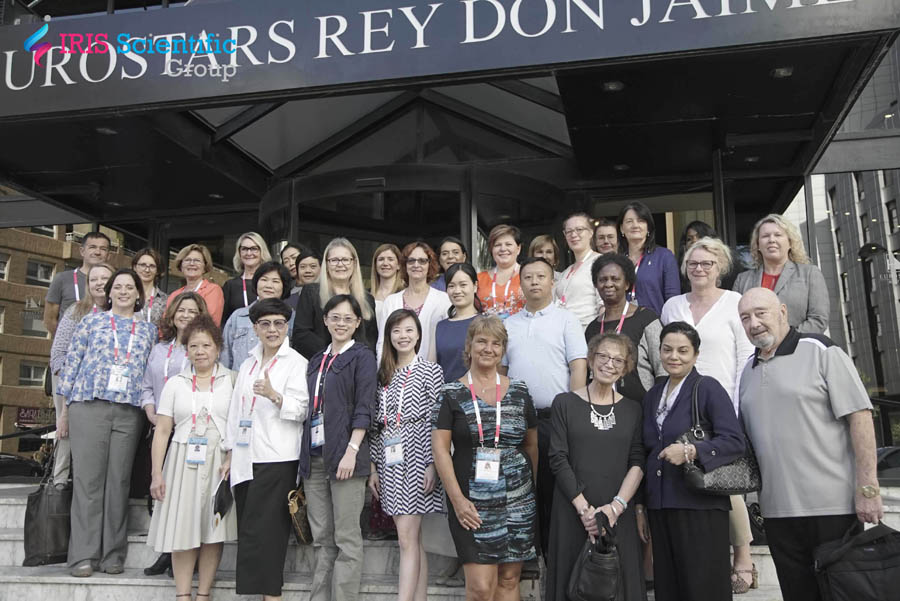
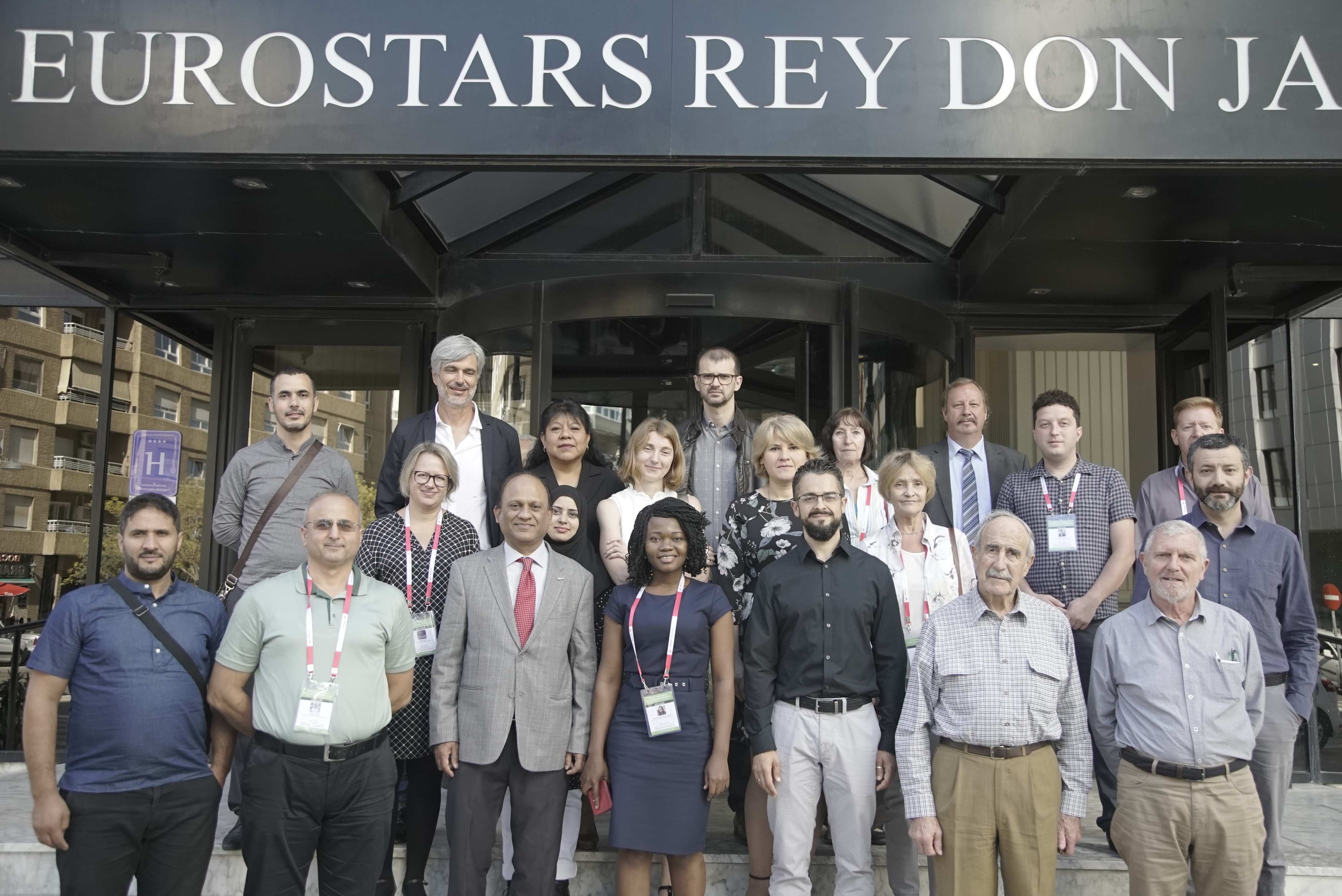
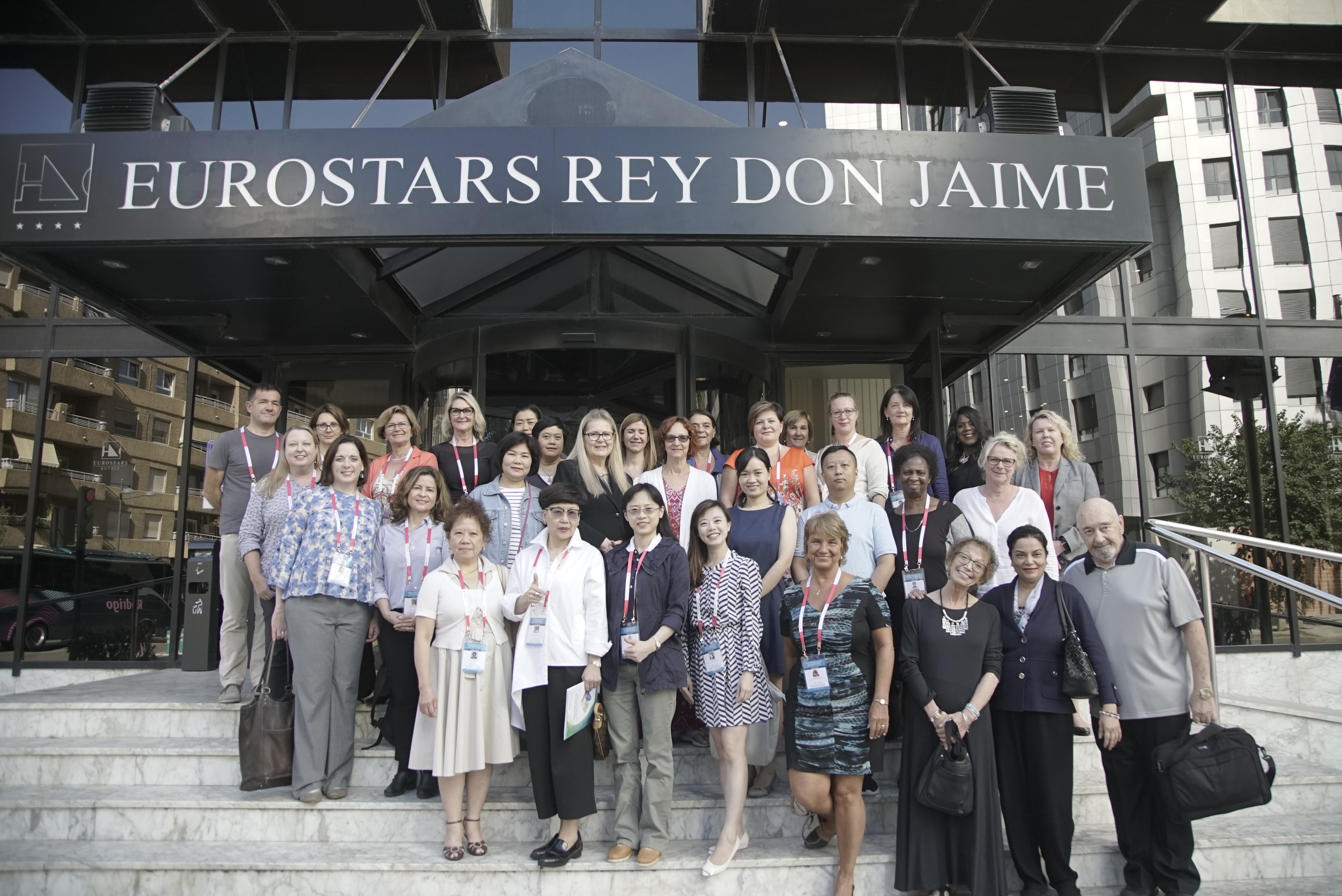
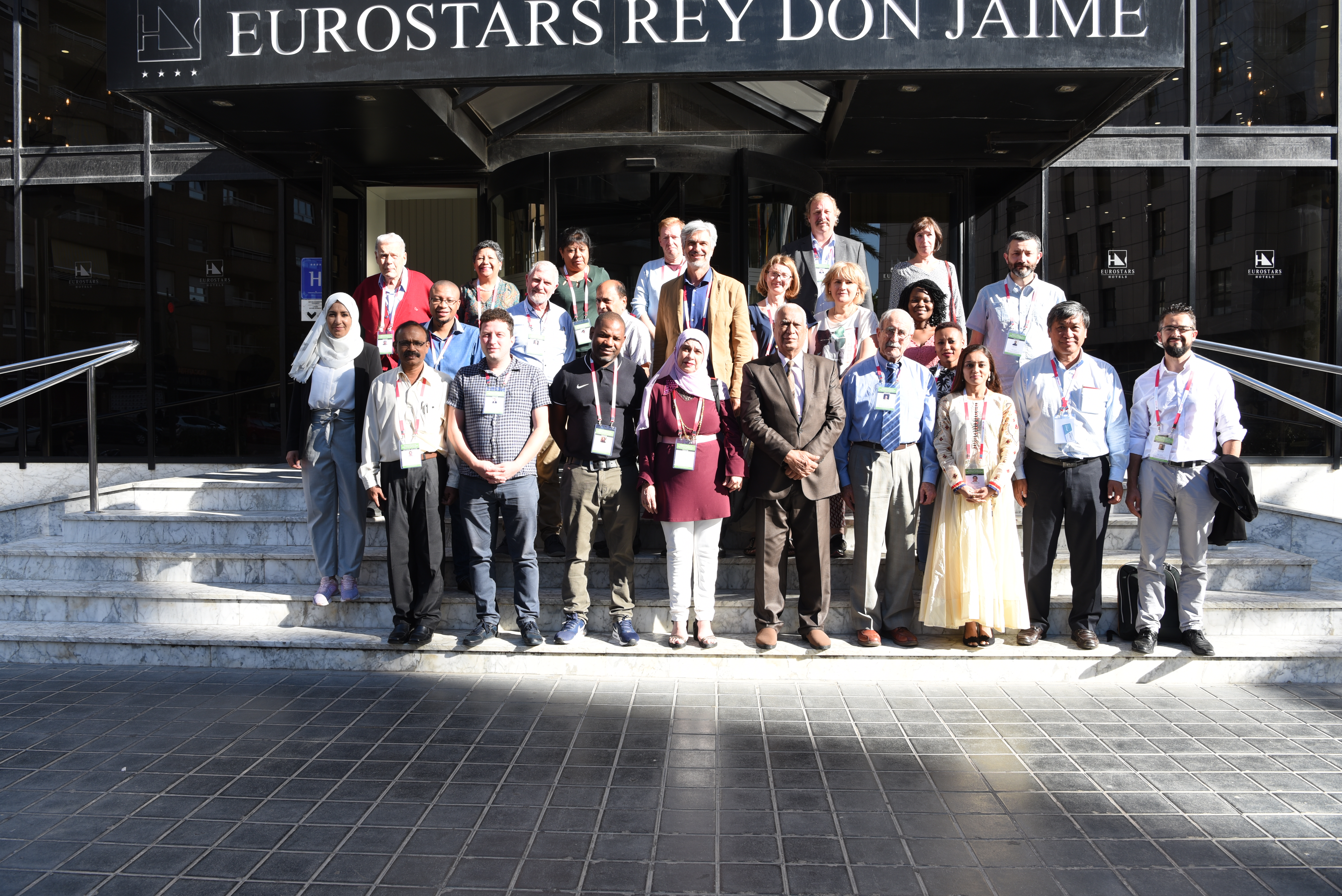
Iris Scientific Group takes great pride in announcing the successful outcome of the World Health Care and Nursing Conference (WHCN 2019) which was held in Valencia, Spain from September 23-25, 2019.
For WHCN 2019 Final Program: Click here
For WHCN 2019 Proceedings: Click Here
For WHCN 2019 Gallery: Click Here
In 2019 we were honored with the presence of renowned session leaders and keynote speakers worldwide. We want to thank the scientific committee for their dedicated participation, intellectual expertise, and their high-quality presentations.
Organizing Committee of WHCN 2019:
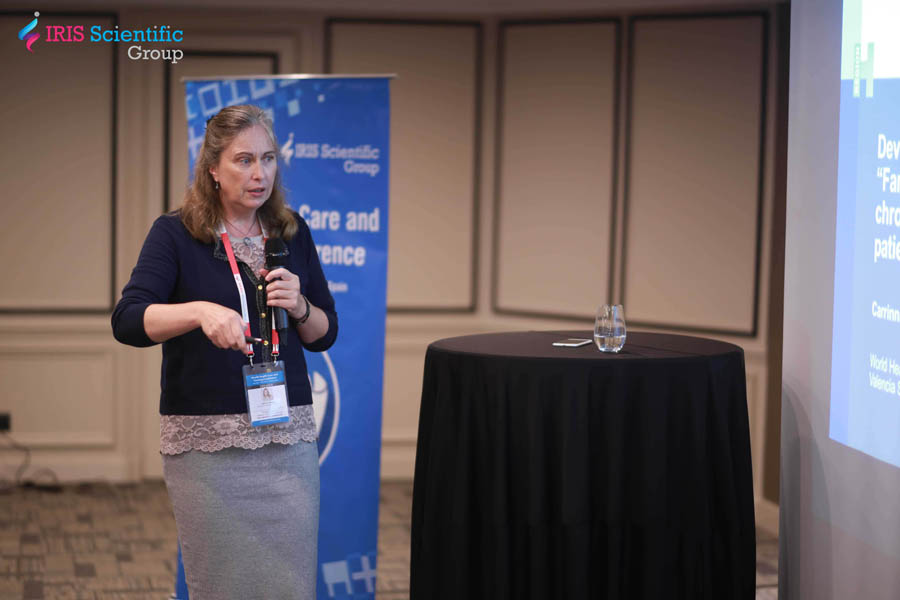
The Organizing Committee would like to thank the moderators Angela O'Connor, King Edward Memorial Hospital, Australia, and Carrinna A. Hansen, University of Copenhagen, Denmark for their contribution which ensued in the smooth functioning of the conference.
Iris Scientific Group is prerogative to thank the Organizing Committee Members, Keynote speakers; Chairs on engross the plenary sessions, workshops, and special sessions in an expanded manner to make this conference a privileged.
Nursing Conference 2019 Keynote Speakers:
Nursing Conference Speakers:
Nursing Conference 2019 Workshops:
Cynthia Horton, Cecil College, USA
Merita Kaunisto, Kuopio University Hospital, Finland
Hanna-Mari Nevala, Savonia University of Applied Sciences, Finland
Tiina Arpola, Savonia University of Applied Sciences, Finland
Nursing Conference 2019 Poster Presenters:
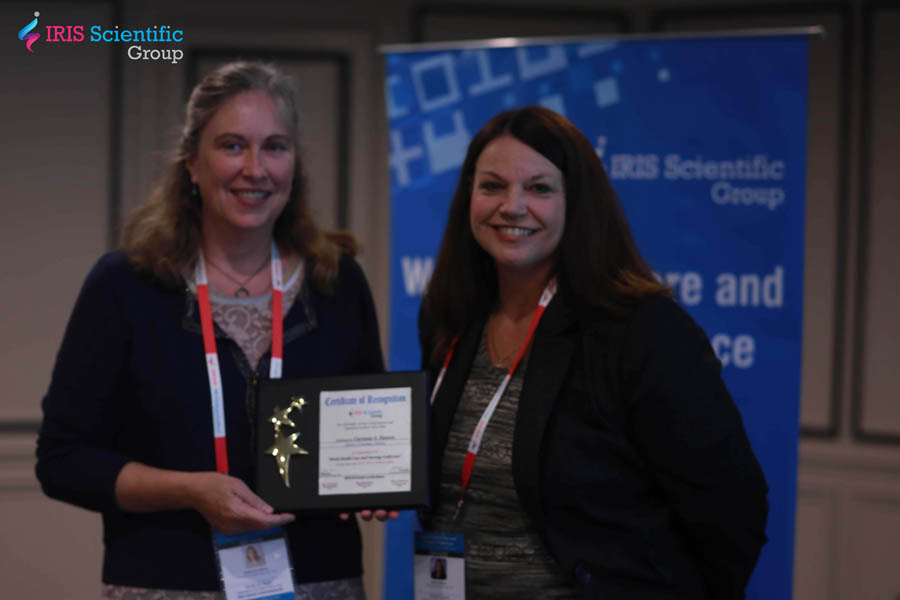
We congratulate the Best poster award winner Chantira Chiaranai, Suranaree University of Technology, Thailand. We would also like to thank Cynthia Horton, Cecil College, USA who supported us by evaluating the posters.
We thank all the participants for their magnificent contribution towards the event which facilitated us for the successful accomplishment of this event.
We greatly hope to see you again, with added vigor and with your other colleagues in "3rd International Nursing Networking Conference (INNC-2025)" during April 23-25, 2025, at Las Vegas, USA, and in Virtual format.
Iris Scientific Group takes great pride in announcing the successful outcome of the World Catalysis and Chemical Engineering Network Congress (WCCN 2025) which was held in Virtual Mode from April 23-25, 2025.
For WCCN 2025 Final Program: Click Here
In 2025 we were honored with the presence of renowned session leaders and keynote speakers worldwide. We want to thank the scientific committee for their dedicated participation, intellectual expertise, and their high-quality presentations.
Organizing Committee of WCCN 2025:
The Organizing Committee would like to thank the moderators Maria Jose Lavorante, Institution of Scientific and Technological Research for Defense, Argentina and Rahul Hajare, Sandip University, India for their contribution which ensued in the smooth functioning of the conference.
Iris Scientific Group is prerogative to thank the Organizing Committee Members, Keynote speakers; Chairs on engross the plenary sessions, workshops, and special sessions in an expanded manner to make this conference a privileged.
WCCN 2025 Keynote Speakers:
WCCN 2025 Plenary Speakers:
WCCN 2025 Speakers:
We thank all the participants for their magnificent contribution towards the event which facilitated us for the successful accomplishment of this event.
We greatly hope to see you again, with added vigor and with your other colleagues in “2nd World Catalysis and Chemical Engineering Network Congress (WCCN 2026)” during April 22-24, 2026. WCCN 2026 will be a hybrid event, offering both in-person and virtual participation options, allowing attendees to engage from anywhere in the world.
Iris Scientific Group takes great pride in announcing the successful outcome of the 3rd International Nursing Networking Conference (INNC 2025) which was held in Virtual Mode from April 23-25, 2025.
For INNC 2025 Final Program: Click Here
In 2025 we were honored with the presence of renowned session leaders and keynote speakers worldwide. We want to thank the scientific committee for their dedicated participation, intellectual expertise, and their high-quality presentations.
Organizing Committee of INNC 2025:
The Organizing Committee would like to thank the moderators Sofica Bistriceanu, Academic Medical Unit - CMI, Romania, and Anum Fatima, Chiang Mai University, Thailand for their contribution which ensued in the smooth functioning of the conference.
Iris Scientific Group is prerogative to thank the Organizing Committee Members, Keynote speakers; Chairs on engross the plenary sessions, workshops, and special sessions in an expanded manner to make this conference a privileged.
INNC 2025 Keynote Speakers:
INNC 2025 Speakers:
INNC 2025 Poster Presenters:
We thank all the participants for their magnificent contribution towards the event which facilitated us for the successful accomplishment of this event.
We greatly hope to see you again, with added vigor and with your other colleagues in “4th International Nursing Networking Conference (INNC 2026)” during April 13-15, 2026. INNC 2026 will be a hybrid event, offering both in-person and virtual participation options, allowing attendees to engage from anywhere in the world.
Iris Scientific Group takes great pride in announcing the successful outcome of the International Cancer Conference (ICC 2025) which was held in Virtual Mode from November 27-29, 2025.
For ICC 2025 Final Program: Click Here
In 2025 we were honored with the presence of renowned session leaders and keynote speakers worldwide. We want to thank the scientific committee for their dedicated participation, intellectual expertise, and their high-quality presentations.
Organizing Committee of ICC 2025:
The Organizing Committee would like to thank the moderators Don Mathew, Pacific Medical College & Hospital, India for his contribution which ensued in the smooth functioning of the conference.
Iris Scientific Group is prerogative to thank the Organizing Committee Members, Keynote speakers; Chairs on engross the plenary sessions, workshops, and special sessions in an expanded manner to make this conference a privileged.
ICC 2025 Keynote Speakers:
ICC 2025 Speakers:
We thank all the participants for their magnificent contribution towards the event which facilitated us for the successful accomplishment of this event.
We greatly hope to see you again, with added vigor and with your other colleagues in “2nd Edition of International Cancer Conference (ICC 2026)” during November 09-11, 2026. ICC 2026 will be a hybrid event, offering both in-person and virtual participation options, allowing attendees to engage from anywhere in the world.
Iris Scientific Group takes great pride in announcing the successful outcome of the Global Conference on Material Science and Nanotechnology (GCMN 2025) which was held in Virtual Mode from April 28-30, 2025.
For GCMN 2025 Final Program: Click Here
In 2025 we were honored with the presence of renowned session leaders and keynote speakers worldwide. We want to thank the scientific committee for their dedicated participation, intellectual expertise, and their high-quality presentations.
Organizing Committee of GCMN 2025:
The Organizing Committee would like to thank the moderators Santoshi Misra, St. Ann's College for women, India for her contribution which ensued in the smooth functioning of the conference.
Iris Scientific Group is prerogative to thank the Organizing Committee Members, Keynote speakers; Chairs on engross the plenary sessions, workshops, and special sessions in an expanded manner to make this conference a privileged.
GCMN 2025 Keynote Speakers:
GCMN 2025 Plenary Speakers:
GCMN 2025 Speakers:
GCMN 2025 Poster Presenters:
We thank all the participants for their magnificent contribution towards the event which facilitated us for the successful accomplishment of this event.
We greatly hope to see you again, with added vigor and with your other colleagues in “2nd Global Conference on Material Science and Nanotechnology (GCMN 2026)” during April 13-15, 2026.
GCMN 2026 will be a hybrid event, offering both in-person and virtual participation options, allowing attendees to engage from anywhere in the world.


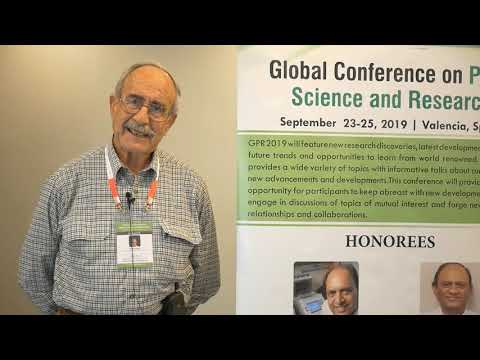
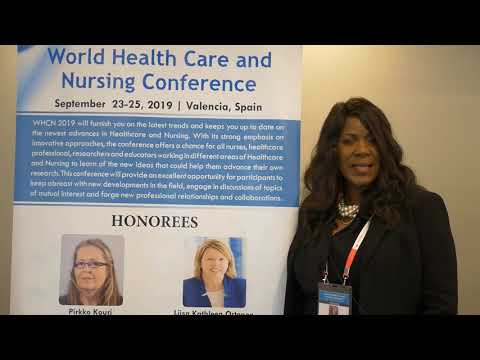
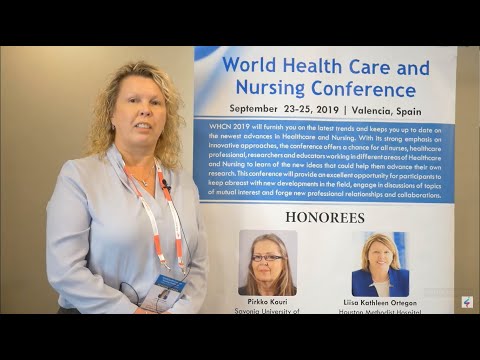
Thank YOU! For a wonderful experience. I met so many amazing people from all over the world and many of us bonded going forward. All the presentations were full of new and exciting things to hear and the hotel was just lovely. I enjoyed every minute.
 Penny Daugherty
Northside Hospital Cancer Institute, USA
Penny Daugherty
Northside Hospital Cancer Institute, USA
I met some extraordinary nurses from all over and was so impressed with their work
 Elaine Clear
St Vincent's University Hospital, Ireland
Elaine Clear
St Vincent's University Hospital, Ireland
Such a distinguished conference and the entire magnificent organization
 Elena Baixauli Gallego
University of Valencia, Spain
Elena Baixauli Gallego
University of Valencia, Spain
Overall, the Conference was a success. Interesting topics and excellent speakers
 Elvessa Narvasa
Canadian Council of Cardiovascular Nurses, Canada
Elvessa Narvasa
Canadian Council of Cardiovascular Nurses, Canada
Thank you very much for a nice and interesting conference in Valencia, I really enjoyed it!
 Carrinna A. Hansen
University of Copenhagen, Denmark
Carrinna A. Hansen
University of Copenhagen, Denmark
The conference added value to me on medical robots as I would like to apply them to Zambia.
 Margaret C. Maimbolwa
University of Zambia, Zambia
Margaret C. Maimbolwa
University of Zambia, Zambia
An amazing scientifically enriching continued professional development meaningful experience with a brilliant platform for dynamic collaborations with interactive discussions and expert opinion-insights offering fascinating translational/public health avenues for evidence-based novel immunotherapy regimens and eventual design of predictive biomarkers for cost-effective disease management of inflammatory diseases with emphasis on evidence-based health management viz. gynecologic disorders/diseases in women of diverse genetic landscapes and lifestyles.
 Saumya Pandey
Indira IVF Hospital, India
Saumya Pandey
Indira IVF Hospital, India
The INNC platform provides information from various fields in healthcare for nurses, researchers, educators, administrators, policymakers, and students to improve their knowledge and experiences. In this new digital era, exchanging information in a real and virtual community promises to be a more efficient and attractive way to enrich our lives, foster meaningful relationships, and build a comprehensive and informative database for a better inner world and existence. Participation in these events gratifies people with credentials, recognizing their involvement in learning and contribution to science advancement.
 Sofica Bistriceanu
Academic Medical Unit - CMI, Romania
Sofica Bistriceanu
Academic Medical Unit - CMI, Romania
Dear colleagues, thank you for the honor and opportunity to participate in the conference! As always, the geography of the participants, the diversity of topics, and the breadth of interests are pleasing. Various aspects related to nursing, teaching methods, and preventive medicine were important. Such a broad exchange of opinions serves mutual enrichment, deepening mutual understanding, and international cooperation. I wish you further success and prosperity!
 Petrova Nataliya
Saint Petersburg State I. P. Pavlov Medical University, Russian Federation
Petrova Nataliya
Saint Petersburg State I. P. Pavlov Medical University, Russian Federation
Thank you for allowing me to participate in the conference. It was indeed an honor to share information with colleagues from around the world in a virtual setting. By using this technology platform, we are able to become more engaged and immersed in clinical research which truly can make an impact on future clinical practice. I am looking forward to the next INCC conference where knowledge is exchanged and shared.
 Daryle Wane
Pasco-Hernando State College, United States
Daryle Wane
Pasco-Hernando State College, United States
It was my first participation on an international conference. It was a very valuable and exciting experience for me. The special thing was to understand the different participants because of their mother tongue. My greatest fear was not to be able to understand the others, an other doubt was the insufficiency of my english. so, my advice for every new participant is not to be too nervous, because this event is great and connects us! It would be great to stay in touch.
Wish you all the best and hope to hear from you!!
 Schaffer Daniela
Klagenfurt Hospital, Austria
Schaffer Daniela
Klagenfurt Hospital, Austria
International Nursing Networking Conference (INNC) 2025. Attending INNC 2025 was an incredible experience. I connected with passionate professionals from around the world, gained valuable insights, and left feeling truly inspired. The sessions were impactful, the networking was genuine, and it reminded me why I chose nursing in the first place. I'm grateful for the opportunity and highly recommend it to anyone in the field.
 Lilian Sitsofe Ziga
Nursing and midwifery training college Odumase krobo, Ghana
Lilian Sitsofe Ziga
Nursing and midwifery training college Odumase krobo, Ghana
I had the honor of participating with you in your major scientific conference. I hope you will share the conference documents with me. Thank you for the opportunity. I am currently developing a detailed protocol on the role and policies of nursing during disasters and catastrophes, including the role of nursing in nuclear disasters. I hope to have future scientific meetings to share and develop science.
 Yousef Ahmed Al shaabi
Sanaa University, Yemen
Yousef Ahmed Al shaabi
Sanaa University, Yemen
Great greetings, Thanks a lot for your great efforts & unlimited care. It was a great & valuable conference. All presentations were fruitful. Looking for more future collaboration.
 Eman Salman Taie
Helwan University, Egypt
Eman Salman Taie
Helwan University, Egypt
I sincerely appreciate the privilege to be part of the participants at GCMN 2025. The conference was indeed an eye opener to the advancements in Material Science in various continents of the earth. The conference was really a success. Special thanks to the organizers of the academic conference for their hard work and support given to all participants before, during and after the scheduled conference activities.
 Olaniyi Awe
Obafemi Awolowo University, Nigeria
Olaniyi Awe
Obafemi Awolowo University, Nigeria

Copyright © 2021 IRIS Scientific Group | All Rights Reserved Terms and Conditions | Privacy Policy